
As the leaves begin to change color and temperatures drop across Darien, Illinois, homeowners should turn their attention to preparing their homes for the fall season. While most people focus on cleaning gutters and winterizing their gardens, home security often gets overlooked during seasonal transitions. Fall presents unique security challenges and opportunities for homeowners to reassess and upgrade their lock systems. Whether you're returning from summer vacations, preparing for the holiday season, or simply adjusting to shorter days and longer nights, taking proactive steps to secure your home is essential. This comprehensive guide will walk you through the most important locksmith-related tasks that every Darien homeowner should consider this fall.
Inspect and Maintain Your Existing Locks
Fall is the perfect time to conduct a thorough inspection of all locks throughout your property. Summer weather, increased use during vacation season, and general wear and tear can compromise lock functionality. Start by testing every lock in your home, including front and back doors, garage entries, sliding doors, and windows.
When inspecting your locks, look for signs of rust, corrosion, or weather damage. The humid Illinois summers can cause metal components to deteriorate, especially on exterior locks. Check if keys turn smoothly or if you notice any sticking or resistance. Difficulty turning keys often indicates internal mechanism problems that will only worsen as temperatures drop.
Pay special attention to deadbolts, as these provide your primary security defense. Ensure they extend fully into the door frame and that the strike plate is securely fastened with long screws that reach into the wall studs. A loose or improperly installed deadbolt compromises your entire security system.
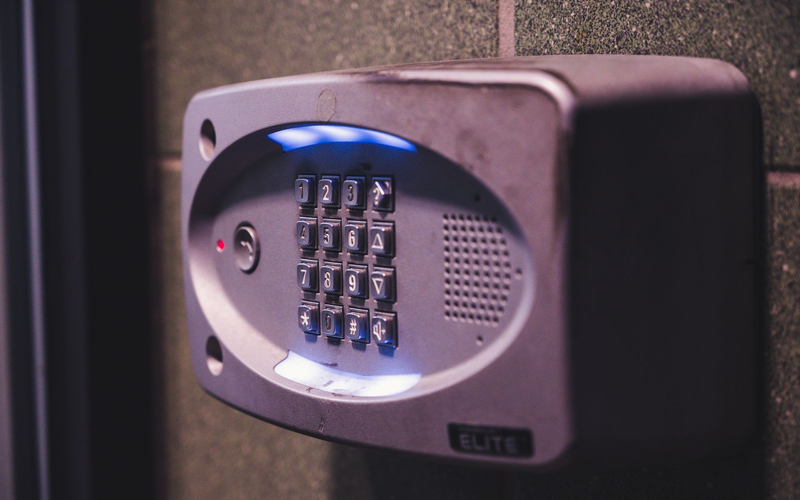
Don't forget about your garage door locks and opener systems. Test the automatic reverse feature and check that manual locks engage properly. Many homeowners overlook garage security, yet this often represents the most vulnerable entry point to your home.
Lubricate Locks Before Winter Arrives
Proper lubrication is crucial for maintaining lock functionality, especially before the harsh Illinois winter sets in. Cold temperatures can cause lock mechanisms to freeze or become sluggish, potentially leaving you locked out in frigid weather.
Use a graphite-based lubricant or a silicone spray specifically designed for locks. Avoid using WD-40 or oil-based products, as these can attract dirt and gum up the mechanism over time. Apply lubricant to the keyway and work the key in and out several times to distribute it throughout the lock cylinder.
For deadbolts, lubricate both the cylinder and the bolt mechanism. Operate the lock several times to ensure smooth movement. If you notice any continued resistance or grinding sensations, this may indicate worn internal components that require professional attention.
Exterior locks deserve extra attention. Apply a weatherproof lubricant to protect against moisture and temperature fluctuations. This preventive maintenance takes only minutes but can save you from emergency lockout situations during winter storms.
Rekey Locks After Summer Activity
Summer typically brings increased household activity, with guests, contractors, housesitters, and service providers potentially having access to your keys. Fall is an ideal time to rekey your locks and regain complete control over who has access to your home.
Rekeying involves changing the internal pins of your existing locks so that old keys no longer work, while new keys are provided. This is significantly less expensive than replacing entire lock sets and provides the same security benefits when you need to invalidate old keys.
Consider rekeying if you've had any of the following situations over the summer:
- House guests who borrowed keys
- Contractors or service workers who required access
- Lost or misplaced keys
- Teenage children who may have shared keys with friends
- Pet sitters or housesitters during vacation
- Real estate agents if you recently purchased the home
Upgrade to High-Security Lock Systems
Fall represents an opportune time to invest in security upgrades before the holiday season when break-ins traditionally increase. Modern high-security locks offer significantly better protection than standard residential locks installed by builders.
High-security locks feature drill-resistant cylinders, pick-resistant mechanisms, and reinforced construction that withstands forced entry attempts. Brands like Medeco, Mul-T-Lock, and Schlage Primus offer residential options that provide commercial-grade security.
Consider upgrading to Grade 1 deadbolts, the highest security rating established by the American National Standards Institute (ANSI). These locks undergo rigorous testing for strength, durability, and pick resistance. While more expensive than standard locks, they provide peace of mind and may reduce insurance premiums.
Smart locks represent another upgrade option worth considering. These devices allow keyless entry through codes, smartphone apps, or biometric authentication. Many models provide activity logs, remote access control, and integration with home security systems. As daylight hours decrease in fall, the convenience of keyless entry with automatic lighting integration becomes especially valuable.
Secure Sliding Doors and Windows
As temperatures drop, homeowners often overlook sliding doors and windows, assuming they won't be opened until spring. However, these entry points remain vulnerable to break-ins year-round and deserve attention during your fall security assessment.
Sliding glass doors typically have weak factory locks that experienced burglars can easily defeat. Install a secondary security bar or pin lock that prevents the door from being forced open or lifted off its track. Charlie bars or sliding door loop locks provide affordable, effective solutions.
For added protection, consider installing a double-bolt lock that secures both the sliding and stationary panels. These locks prevent the door from being jimmied or lifted from its track, a common break-in method.
Window locks also require inspection and potential upgrades. Many older homes in Darien have windows with simple latch locks that provide minimal security. Install keyed window locks, especially on ground-floor and easily accessible windows. Pin locks for sliding windows create an additional barrier without requiring significant modification.
Basement windows present particular vulnerabilities. Consider installing window well covers or security bars that allow emergency egress while preventing unauthorized entry. These modifications are especially important in fall when vegetation dies back, reducing natural screening.
Address Outdoor Security and Visibility
Fall's decreasing daylight hours create additional security challenges. Burglars prefer operating under cover of darkness, and the early sunsets of autumn provide extended opportunities for break-in attempts.
Ensure all exterior door locks are visible and well-lit. Motion-sensor lights near entry points serve both convenience and security purposes. These lights illuminate approaching visitors while deterring potential intruders who prefer darkness.
Trim back overgrown summer vegetation around doors and windows. Bushes and trees that provided pleasant shade in summer can create concealment for burglars in fall. Maintain clear sightlines to all entry points from the street and neighboring properties.
Consider the security implications of fall decorations. While seasonal displays add curb appeal, avoid decorations that block views of doors or windows. Ensure porch decorations don't interfere with door operation or lock access.
Garage and shed locks require attention as outdoor equipment gets stored for winter. These structures often contain valuable tools and provide concealment for forced entry attempts on your main house. Install quality padlocks on sheds and ensure garage door openers use rolling codes that prevent signal interception.
Implement a Key Management System
Fall's return to structured routines after summer's relaxed schedule makes this an ideal time to implement better key management practices. Knowing where keys are located and who has access prevents security gaps and emergency situations.
Create a designated key storage area inside your home, away from windows and doors. Key hooks near entryways might seem convenient, but they're visible to visitors and vulnerable to break-ins where intruders reach through windows or mail slots.
Inventory all household keys and clearly label them. Remove keys you no longer need and properly dispose of them rather than storing them in junk drawers. Old keys to previous homes, replaced locks, or unknown origins should be discarded.
For spare keys, avoid common hiding spots like fake rocks, planters, or under doormats. Burglars check these locations first. Instead, consider a wall-mounted lock box with a combination code, installed in a discrete location. Alternatively, leave spare keys with trusted neighbors rather than hiding them on your property.
Establish clear protocols for key usage with family members. Teenagers should understand the security implications of losing keys or lending them to friends. Create accountability by assigning specific keys to specific people and implementing a check-in system.
Prepare for Holiday Season Security
The upcoming holiday season brings unique security challenges that smart homeowners address in advance. Fall preparation ensures your home remains secure during times when burglaries traditionally increase.
If you plan holiday travel, arrange for trusted neighbors or professional house-sitters to create an occupied appearance. Provide them with properly copied keys from a professional locksmith rather than hardware store copies, which may not work reliably.
Consider installing timer systems for interior lights to simulate occupancy. Smart home systems allow you to control lights remotely and create random patterns that appear more natural than simple timers.
Review your practice for package deliveries. The holiday shopping season brings increased deliveries, and packages left on porches advertise your absence. Arrange for signature-required deliveries, use secure package boxes, or have items delivered to your workplace.
Ensure all spare keys are accounted for and that trusted neighbors know how to contact you in emergencies. Leave information about your security system, including codes and monitoring company contact details, with responsible parties.
Conduct a Professional Security Assessment
While DIY inspections provide value, professional locksmith assessments often reveal vulnerabilities homeowners overlook. Fall is an excellent time to schedule a comprehensive security evaluation from experienced professionals familiar with Darien's specific security challenges.
Professional locksmiths can identify weak points in your current security setup, including inadequate strike plates, improper lock installation, or outdated technology. They can assess whether your locks match your doors' security capabilities, as even high-quality locks provide limited protection when installed on hollow-core doors or weak frames.
A security assessment should include evaluation of all entry points, including doors, windows, garage entries, and basement access. Professionals can recommend specific improvements prioritized by vulnerability level and budget considerations.
Locksmiths can also evaluate your rekeying needs more comprehensively than homeowners might realize. They can determine if locks can be rekeyed to match each other, creating convenience through fewer keys while maintaining security.
During an assessment, ask about new security technologies and how they might benefit your specific situation. Professional advice helps you make informed decisions about security investments rather than relying on marketing claims or general advice.
Update Emergency Access Plans
Fall's return to routine schedules makes this an ideal time to review and update emergency access plans. Lockouts, lost keys, and security emergencies don't wait for convenient times, and preparation prevents stressful situations.
Ensure all family members know how to contact emergency locksmith services. Program reliable locksmith numbers into phones and create a written emergency contact list posted in accessible locations.
Establish clear protocols for lockout situations. Children should know which neighbors hold spare keys and when it's appropriate to contact them. Teenagers should understand the security and cost implications of lost keys.
Review emergency egress plans from all rooms, ensuring locks don't impede escape during fires or other emergencies. Some high-security locks require specific knowledge to unlock from inside, which could be problematic during panicked situations.
Consider the implications of smart locks during power outages. Most models include backup battery power and mechanical key overrides, but family members should know how to access these features. Test backup systems annually to ensure they function when needed.
Protect Against Lock Bumping and Picking
As security awareness increases, homeowners should understand modern lock vulnerabilities and how to protect against them. Lock bumping and picking techniques that once required specialized knowledge are now widely available through internet tutorials.
Lock bumping involves using specially cut keys that, when struck with force, momentarily align the pins to allow the lock to turn. This technique works on most standard pin-tumbler locks, which includes the majority of residential locks.
Protect against bumping by upgrading to bump-resistant or bump-proof locks. These use alternative mechanisms or specially designed pins that resist bumping attempts. High-security locks typically include bump resistance as a standard feature.
Pick-resistant locks incorporate additional security pins, sidebars, or rotating discs that make manipulation extremely difficult. While no lock is completely pick-proof, quality locks require such significant time and skill that burglars typically move to easier targets.
Consider adding security pins to existing locks as a cost-effective upgrade. Professional locksmiths can replace standard pins with security pins that significantly increase pick resistance without requiring complete lock replacement.
Maintain Records and Warranties
Proper documentation of your locks and security systems provides benefits during emergencies and helps maintain warranties. Fall's organizational energy makes this an ideal time to compile and organize these records.
Create a home security binder containing key information about all locks, including:
- Purchase dates and receipts
- Warranty information and registration cards
- Lock manufacturer and model numbers
- Key code numbers for ordering duplicates
- Professional locksmith service records
- Combination codes for safes and lock boxes
- Smart lock setup information and passwords
Maintain records of all key copies made, noting when, where, and for whom. This creates accountability and helps identify potential security gaps if keys go missing.
Document any modifications to doors, frames, or locks. This information proves valuable if you need matching work done later or if you sell your home and need to provide security information to buyers.
Consider Accessibility and Universal Design
Fall home preparation should include evaluating whether your locks meet the needs of all household members, including elderly relatives or those with mobility challenges. Modern lock technology offers solutions that enhance both security and accessibility.
Lever handles require less grip strength and dexterity than traditional doorknobs, making them easier for people with arthritis or limited hand function. Many building codes now require lever handles on accessible routes.
Electronic and smart locks eliminate the fine motor skills required for key insertion and turning. Keypad entry systems allow access through memorized codes, while smartphone-controlled locks enable completely hands-free operation.
Consider the height and reach requirements for all locks. Deadbolts installed too high may be difficult for shorter family members or those using wheelchairs. Ensure critical locks can be operated by everyone who might need emergency access.
Automatic door locks that engage when doors close provide security without requiring action from household members. These work particularly well for elderly individuals who might forget to lock doors or for families with young children.
Coordinate Security with Smart Home Systems
Modern smart home technology offers integration opportunities that significantly enhance security while adding convenience. Fall is an excellent time to explore these options as you reassess your overall home security strategy.
Smart locks integrate with home automation systems, allowing coordinated responses to security events. For example, unlocking your front door can trigger lights, adjust thermostats, and disarm security systems automatically.
Many smart lock systems maintain detailed access logs, showing exactly when doors were locked or unlocked and by whom. This information proves valuable for monitoring teenage children, service providers, or rental properties.
Geofencing features can automatically lock doors when you leave home and unlock them upon your return, eliminating the possibility of forgotten unlocked doors. These systems use smartphone location to determine when to activate.
Integration with security cameras allows visual verification before remotely unlocking doors for deliveries or service providers. You can grant temporary access codes that expire automatically, eliminating the need to share physical keys.
Voice control through systems like Amazon Alexa or Google Home enables hands-free lock operation, though this requires careful security configuration to prevent unauthorized voice commands.
Schedule Regular Maintenance
Establishing a regular maintenance schedule for your locks and security hardware ensures long-term reliability and prevents emergency situations. Fall provides a natural checkpoint for annual security maintenance.
Create a seasonal maintenance checklist that includes:
- Testing all locks for smooth operation
- Lubricating mechanisms and hinges
- Checking and tightening loose screws
- Verifying strike plate alignment
- Testing smart lock batteries and connectivity
- Inspecting weatherstripping around doors
- Cleaning lock faces and removing debris
- Verifying alarm system integration