
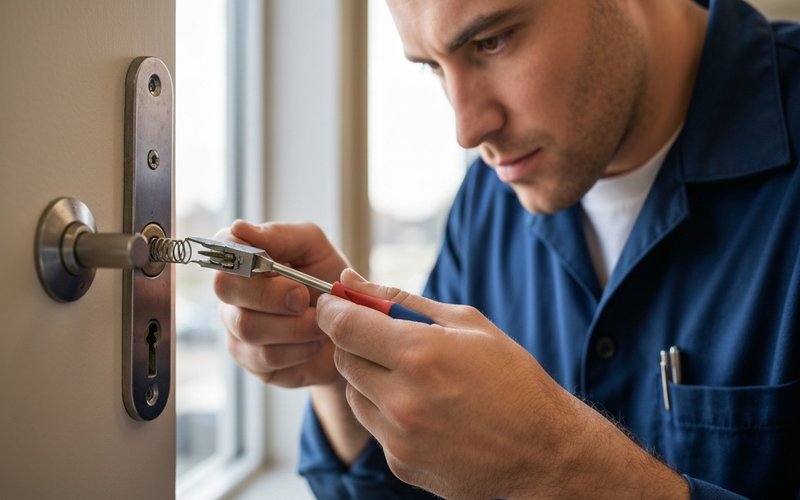
Introduction to Panic Bar Installation
The International Building Code (IBC) and National Fire Protection Association (NFPA) mandate panic hardware on specific doors based on building occupancy, use, and capacity. Commercial properties, educational facilities, healthcare institutions, entertainment venues, and industrial buildings often require these devices on designated exit routes. Our expertise at 2525 87th St, Darien, IL 60561 ensures your installation meets or exceeds all applicable codes while providing reliable performance for years to come.
Modern panic bars have evolved significantly from their original 1908 patent following the tragic Rhoads Opera House fire. Today's exit devices incorporate advanced features including fire rating certifications, delayed egress capabilities, alarm integration, and access control compatibility. Understanding which type suits your specific application requires expertise in both security hardware and life safety codes—exactly what our certified technicians provide.
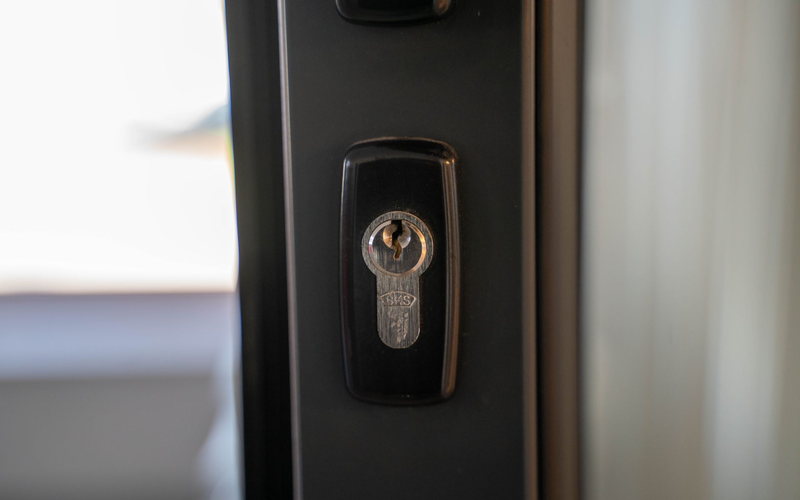
Our Panic Bar Installation Process
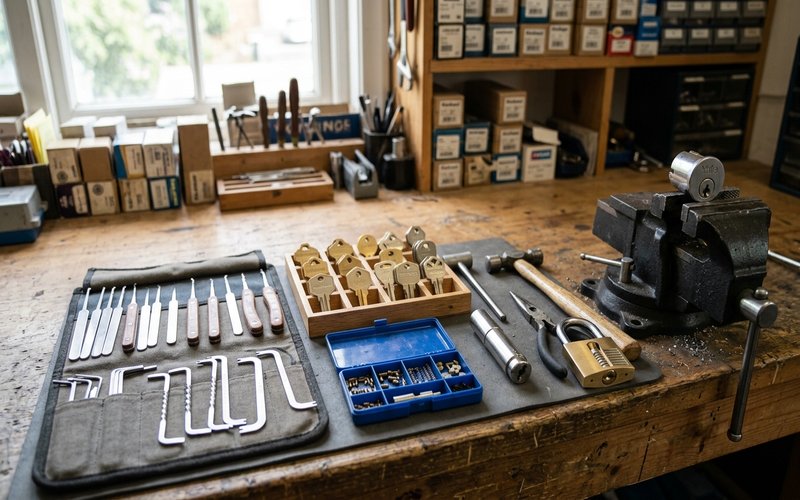
At Darien Chicago Locksmith, we follow a systematic approach to panic bar installation that guarantees code compliance, optimal functionality, and long-term reliability. Our process begins well before any hardware touches your door.
Initial Assessment and Consultation: Our technicians visit your Darien location to evaluate your specific requirements. We examine door types, traffic patterns, security needs, and existing hardware. We measure door dimensions, check frame conditions, assess fire ratings, and review architectural drawings when available. This thorough assessment ensures we recommend the appropriate panic bar model—whether rim-type, mortise, or vertical rod configuration—that matches your doors and meets code requirements.
Code Compliance Review: We verify local Darien and DuPage County building codes, fire marshal requirements, and ADA accessibility standards. Different occupancy classifications have distinct requirements. For example, assembly occupancies with more than 50 occupants require panic hardware, while educational facilities have specific regulations about delayed egress devices. We ensure your installation satisfies all applicable regulations, preventing costly violations or failed inspections.
Hardware Selection and Sourcing: Based on our assessment, we recommend panic bar models from industry-leading manufacturers including Von Duprin, Corbin Russwin, Sargent, Yale, and Precision Hardware. We consider factors like expected usage volume, required fire rating (20, 60, 90, or 180 minutes), finish preferences, and integration with existing access control systems. Our established relationships with suppliers ensure we obtain genuine, warrantied products rather than inferior substitutes.
Professional Installation: Our certified technicians arrive at your property with all necessary tools and components. We begin by carefully removing existing hardware if applicable, taking care to preserve door and frame integrity. We precisely mark and drill mounting locations, ensuring proper alignment for smooth operation. The panic bar mechanism is securely attached according to manufacturer specifications and industry best practices. We install strike plates, adjust latch projection, and verify proper door closure.
Testing and Adjustment: After installation, we conduct comprehensive functionality tests. We verify that the bar operates with appropriate pressure (typically 15 pounds maximum force), the latch fully retracts, the door opens completely without binding, and the mechanism returns to locked position properly. For panic bars with alarms or access control integration, we test all electronic components and connections. We make any necessary adjustments to ensure flawless operation.
Documentation and Training: We provide complete documentation including manufacturer specifications, warranty information, maintenance schedules, and code compliance certificates. We train your facility managers or maintenance staff on proper operation, basic troubleshooting, and when to call for professional service. This knowledge transfer helps you maintain optimal performance and recognize potential issues before they become safety hazards.
Follow-up Service: Our commitment extends beyond installation day. We offer scheduled maintenance programs to keep your panic bars functioning reliably. We're available 24/7 for emergency repairs because we understand that exit device failures can force closure of your facility or create dangerous situations.
Types of Panic Bar Systems We Install
Darien Chicago Locksmith installs a comprehensive range of panic bar configurations to address every commercial application and architectural requirement.
Rim Exit Devices: These are the most common panic bar type, featuring a surface-mounted housing on the interior door face. The latch extends horizontally into a strike mounted on the door frame. Rim devices are ideal for doors where mortising isn't possible or desirable. They're relatively easy to install, making them cost-effective for retrofitting existing doors. We install rim panic bars on metal, wood, and glass doors throughout Darien commercial properties.
Mortise Exit Devices: These panic bars incorporate the locking mechanism within the door's edge rather than surface-mounting the housing. Mortise devices provide a cleaner aesthetic appearance and generally offer enhanced security compared to rim types. The installation requires cutting a mortise pocket into the door edge, making them more suitable for new construction or door replacement projects. We frequently install mortise panic bars in upscale office buildings, hotels, and facilities where appearance matters.
Vertical Rod Exit Devices: When doors have minimal clearance at the top or bottom—such as doors with flush bolts or glass doors with top and bottom rails—vertical rod panic bars provide the solution. The bar activates rods that extend vertically into the header and threshold, securing the door at three points. We install vertical rod devices on double doors, glass storefronts, and applications requiring maximum security or specific fire ratings.
Concealed Vertical Rod Devices: These combine the securing benefits of vertical rods with the aesthetic appeal of concealment. The rods operate within the door structure, visible only at the top and bottom edges. These devices are popular in high-end retail, corporate lobbies, and modern architectural designs where visible hardware detracts from the aesthetic. Our technicians have the precision skills required for proper concealed device installation.
Exit Devices with Touchbar: Some manufacturers offer touchbar designs rather than traditional crossbar panic bars. These feature a flat, wide bar that's pushed at any point to release the latch. Touchbars often provide a more modern appearance and can be easier to operate for individuals with limited strength or mobility issues.
Fire-Rated Panic Bars: Commercial buildings often require fire-rated door assemblies to compartmentalize fires and provide protected egress routes. We install panic bars specifically tested and listed for fire-rated applications—20-minute, 60-minute, 90-minute, or 3-hour ratings depending on requirements. The entire door assembly (door, frame, hardware, and seals) must be properly matched and installed to maintain the fire rating.
Delayed Egress Exit Devices: Certain facilities need to balance security with life safety—healthcare facilities preventing patient wandering, retail stores deterring theft, or secure areas controlling access. Delayed egress devices incorporate a 15 or 30-second delay before the door releases, with alarms sounding when the bar is pushed. Fire alarm system integration allows immediate release during fire emergencies. These devices require specific code conditions and we ensure compliant installation.
Alarm-Equipped Exit Devices: Many panic bars integrate local alarms that sound when the door is opened, alerting staff to unauthorized exits while still allowing emergency egress. We install these in schools, retail environments, and facilities where monitoring exit points matters. We can configure alarms with various options including time delays, remote silence capability, and integration with security systems.
Electric Latch Retraction (ELR) Devices: For access control integration, we install panic bars with electric latch retraction. These allow authorized users to unlock the door via card readers, keypads, or other credentials without touching the panic bar, while maintaining emergency egress capability for anyone pushing the bar. Our technicians properly wire and program these devices to work seamlessly with your access control system.
Why Choose Darien Chicago Locksmith for Panic Bar Installation
Selecting the right locksmith for panic bar installation impacts your building's safety, code compliance, and operational efficiency. Here's why property owners and managers throughout Darien choose our services at 2525 87th St.
Certified and Experienced Technicians: Our team holds certifications from industry organizations including the Associated Locksmiths of America (ALOA) and manufacturer-specific training credentials. We maintain current knowledge of IBC, NFPA, and ADA requirements. This expertise ensures we don't just install hardware—we implement compliant safety solutions. Many property owners have discovered inferior installations from unlicensed handymen that failed inspections, requiring costly reinstallation. Our work passes inspection the first time.
Local Knowledge and Rapid Response: Operating from 2525 87th St in Darien means we understand local building codes, have established relationships with area building officials, and reach your property quickly. When you need emergency panic bar repair or expedited installation to meet occupancy deadlines, our proximity matters. We serve Darien, Willowbrook, Woodridge, Burr Ridge, Westmont, and surrounding DuPage County communities with response times typically under 30 minutes for emergencies.
Comprehensive Service Capabilities: Unlike general contractors who subcontract locksmith work, we handle every aspect of panic bar service in-house. We assess requirements, specify appropriate hardware, procure materials, perform professional installation, integrate with access control and alarm systems, and provide ongoing maintenance. This comprehensive capability streamlines projects and ensures accountability.
Quality Hardware Partnerships: We install panic bars from leading manufacturers known for reliability and code compliance. These partnerships allow us to offer genuine products with full warranties rather than gray-market imports or counterfeit hardware that appears similar but fails prematurely or doesn't meet safety standards. We also maintain inventory of common components for faster project completion.
Transparent Process and Fair Pricing: We provide detailed written estimates explaining recommended solutions, why specific hardware is necessary, and factors influencing your quote. You'll understand what you're receiving and why. We never pressure customers into unnecessary upgrades, but we do insist on code-compliant solutions—because cutting corners on life safety equipment is never acceptable.
24/7 Emergency Availability: Panic bar failures create serious problems. A malfunctioning exit device might require building evacuation, prevent occupancy, or create liability exposure. We provide round-the-clock emergency service because these situations can't wait until Monday morning. Call (630) 528-1927 anytime and reach an actual technician, not an answering service.
Long-term Relationships: We don't disappear after installation. Many of our clients have partnered with us for years, relying on us for all locksmith, security hardware, and access control needs. We maintain detailed records of your hardware, making future service more efficient. Our preventive maintenance programs keep your panic bars functioning optimally and help you budget for eventual replacement.
Insurance and Bonding: We carry comprehensive liability insurance and worker's compensation coverage. This protects your property and your organization from potential claims. Many handyman services and unlicensed locksmiths lack proper insurance, leaving you exposed if accidents occur or faulty work causes injury.
Common Situations Requiring Panic Bar Installation
Understanding when panic bars become necessary helps property owners and managers recognize their obligations and opportunities to enhance safety and compliance.
New Commercial Construction: Architects and general contractors specify panic hardware during the design phase of new commercial buildings. Requirements depend on occupancy classification, building size, and expected occupant load. We work directly with construction teams to ensure proper hardware specification and timely installation. Getting panic bars right during construction avoids costly modifications later when deficiencies are discovered during final inspections.
Building Renovations and Change of Occupancy: When existing buildings undergo renovations that increase occupant load or change occupancy classification, panic bar requirements often change. Converting a warehouse to office space, expanding a restaurant's seating capacity, or repurposing retail space for assembly use may trigger new panic hardware requirements. Building officials review renovation permits for code compliance, and occupancy certificates won't be issued until all life safety requirements are satisfied.
Failed Building Inspections: Property owners sometimes discover panic bar deficiencies during routine fire marshal inspections or when selling commercial properties. Inspectors identify missing panic bars, improperly installed devices, or hardware that no longer meets current codes. We respond quickly to these situations, working with building officials to implement compliant solutions that satisfy inspection requirements.
Schools and Educational Facilities: Educational institutions face unique requirements. Classroom doors must lock from inside while allowing free egress. Exterior doors need delayed egress to prevent unauthorized exit while maintaining emergency egress capability. We've installed panic bar systems in numerous schools throughout the Darien area, addressing security concerns while meeting educational facility codes.
Healthcare Facilities: Hospitals, nursing homes, and behavioral health facilities require specialized panic hardware that balances patient safety, security, and emergency egress. Delayed egress devices prevent wandering while allowing emergency exit. We understand healthcare-specific codes including those governing mental health units and memory care facilities.
Retail Stores: Retailers need to secure merchandise while providing customer and employee safety. Alarmed panic bars on emergency exits deter shoplifting through side doors while maintaining required egress. We install systems that integrate with retail security platforms for centralized monitoring.
Industrial and Warehouse Facilities: Manufacturing plants and warehouses often have high-occupancy shifts requiring multiple exit points with panic hardware. These demanding environments require robust devices that withstand heavy use, extreme temperatures, and industrial atmospheres. We specify appropriate commercial-grade hardware for these applications.
Entertainment Venues: Theaters, concert halls, bars, and restaurants with assembly occupancies face strict egress requirements. Multiple exits with appropriate panic hardware are mandatory, and authorities rigorously enforce these regulations following tragic nightclub fires in recent decades. We help entertainment venue operators maintain compliance while managing security concerns about non-paying entry.
Replacing Worn or Damaged Hardware: Panic bars endure thousands of activation cycles annually. Eventually, internal components wear, causing sticky operation, misaligned latches, or complete failure. Attempting to limp along with malfunctioning exit devices creates liability exposure and code violations. We replace worn panic bars before they fail catastrophically.
Security Upgrades: Property owners sometimes upgrade to panic bars with enhanced features—adding access control integration, upgrading to alarmed devices, or implementing delayed egress. These security enhancements improve both safety and operational control. We design integrated solutions that balance security and life safety requirements.
Insurance Requirements: Some insurance carriers require specific security and life safety measures including properly functioning panic hardware on all required exits. Insurance inspections may identify deficiencies requiring remediation. We provide documentation of compliant installations for insurance purposes.
Understanding Panic Bar Codes and Regulations
Navigating the regulatory landscape surrounding panic bars can be complex. Property owners and facility managers need to understand basic requirements to make informed decisions and maintain compliance.
International Building Code (IBC) Requirements: The IBC serves as the foundation for most local building codes throughout Illinois. It requires panic hardware on doors serving assembly occupancies with 50 or more occupants, educational occupancies, and high-hazard occupancies. The code specifies maximum opening force (15 pounds typically), latch operation requirements, and installation height standards.
NFPA 101 Life Safety Code: The National Fire Protection Association's Life Safety Code provides comprehensive life safety requirements. It addresses panic hardware requirements, operational characteristics, and maintenance standards. Healthcare facilities, educational institutions, and many other occupancies must comply with NFPA 101 provisions.
Americans with Disabilities Act (ADA) Compliance: Panic bars must meet ADA accessibility requirements including mounting height (34-48 inches above the floor), operation force, and ability to operate with a closed fist. Touchbar-style devices generally provide superior accessibility compared to traditional crossbars.
ANSI/BHMA Standards: The American National Standards Institute and Builders Hardware Manufacturers Association establish performance standards for exit devices. ANSI/BHMA A156.3 covers panic bars and fire exit hardware, defining Grade 1 (heavy-duty), Grade 2 (medium-duty), and Grade 3 (light-duty) performance standards. We typically recommend Grade 1 devices for reliability and longevity.
Fire Rating Requirements: Doors in fire-rated assemblies require listed and labeled fire exit hardware. The panic bar, door, frame, and all associated hardware must be tested together as an assembly. We ensure proper matching of all components to maintain fire ratings.
Local Amendments: Darien and DuPage County may have local amendments to model codes. We stay current on these local variations, ensuring your installation complies with the specific requirements in your jurisdiction.
Inspection and Testing: Codes require periodic inspection and testing of panic hardware. NFPA 80 recommends annual inspection of fire door assemblies including exit devices. We provide inspection services documenting compliance and identifying necessary repairs.
Panic Bar Maintenance and Longevity
Proper maintenance extends panic bar lifespan, ensures reliable operation, and maintains code compliance. At Darien Chicago Locksmith, we help clients implement effective maintenance programs.
Routine Inspection: Monthly visual inspections should verify that panic bars operate smoothly with appropriate force, latches fully retract and extend, doors close completely, and no visible damage exists. Exit routes must remain clear and accessible. Facility staff can perform basic inspections, but professional annual inspections provide more thorough evaluation.
Lubrication: Panic bar mechanisms contain moving parts requiring periodic lubrication. We use appropriate lubricants that won't attract dirt or interfere with fire ratings. Proper lubrication prevents premature wear and ensures smooth operation. Over-lubrication can be as problematic as neglect, so proper technique matters.
Hardware Adjustment: Over time, door hardware loosens, shifts, or requires adjustment. Mounting screws should be checked and tightened as needed. Latch alignment must be verified and adjusted to ensure proper engagement. Closers may need adjustment to provide appropriate closing force without slamming.
Component Replacement: Certain components wear faster than others. Latch mechanisms, touchpads, and springs may require replacement before the entire panic bar needs replacing. We stock common replacement parts and can often restore proper function with component replacement rather than full device replacement.
Environmental Considerations: Harsh environments accelerate wear. Exterior doors face weather exposure requiring more frequent maintenance. Industrial settings with dust, chemicals, or temperature extremes may require specialized hardware and more aggressive maintenance schedules.
Documentation: Maintaining records of inspections, repairs, and replacements provides valuable information for planning and demonstrates due diligence for liability and insurance purposes. We provide detailed service records for all work performed.
Preventive Maintenance Programs: Our scheduled maintenance programs provide regular professional service, ensuring your panic bars receive appropriate attention before problems develop. These programs are particularly valuable for properties with multiple exit devices or facilities where exit device failure would cause significant disruption.
Integration With Access Control and Security Systems
Modern panic bars can integrate with electronic access control and security systems, providing both security and life safety. We specialize in these integrated solutions.
Electric Latch Retraction: Exit devices with electric latch retraction allow authorized users to unlock doors via card readers, keypads, or biometric devices without touching the panic bar. The door remains secure against unauthorized entry while maintaining free egress—anyone can exit by pushing the bar. This balances security and life safety perfectly.
Request-to-Exit (REX) Integration: When doors are part of access control systems, REX devices detect egress and prevent false alarms. We integrate panic bars with REX sensors, ensuring the access control system recognizes legitimate exits and doesn't trigger nuisance alarms.
Alarm Integration: Panic bars can integrate with building security systems, sending alerts when doors are opened. This provides security monitoring while maintaining egress capability. We wire panic bar alarms into existing security platforms or implement standalone alarm systems depending on your needs.
Fire Alarm Integration: Delayed egress devices must integrate with fire alarm systems to release immediately when fire alarms activate. This critical life safety function requires proper wiring and programming. We ensure compliant integration that satisfies both fire marshals and building officials.
Electronic Monitoring: Some panic bars provide electronic monitoring of door position and latch status. This allows security personnel to monitor exit points remotely, identifying propped doors or forced entry attempts. We implement monitoring solutions appropriate to your security requirements.
Wireless Options: Modern panic bars are available with wireless connectivity, simplifying installation in existing buildings where running wires is difficult or expensive. We install wireless panic bar systems that communicate with access control platforms via encrypted radio frequency.
Service Areas Throughout Greater Darien
Darien Chicago Locksmith proudly serves commercial properties throughout Darien and surrounding communities from our location at 2525 87th St, Darien, IL 60561. Our service area encompasses all of DuPage County and nearby areas.
In Darien, we serve businesses along major corridors including Cass Avenue, 75th Street, Plainfield Road, and Lemont Road. We're familiar with commercial districts, shopping centers, industrial parks, and office complexes throughout the community. Our local presence means we understand Darien's commercial landscape and building stock.
Surrounding communities we regularly serve include:
Willowbrook: Just north of Darien, Willowbrook's retail and office properties frequently require panic bar services. We're minutes away from any Willowbrook location.
Woodridge: This neighboring community has diverse commercial properties from retail to light industrial facilities. We've completed numerous panic bar installations throughout Woodridge.
Burr Ridge: The upscale commercial and office properties in Burr Ridge often require high-quality panic bar installations with aesthetic considerations. We have extensive experience with these premium installations.
Westmont: Commercial properties along Cass Avenue and throughout Westmont rely on our prompt service and expertise.
Downers Grove: We serve businesses throughout this larger neighboring community, including the downtown commercial district.
Hinsdale: Commercial properties in this upscale community benefit from our professional panic bar services.
Bolingbrook: We regularly serve commercial properties throughout this large community southwest of Darien.
Lemont: Industrial and commercial facilities in Lemont call on us for panic bar installation and service.
Our central location at 2525 87th St allows rapid response throughout the region. For emergency panic bar repairs or new installations, we typically reach most locations within 30 minutes. Call (630) 528-1927 to schedule service or request a consultation.
Factors Influencing Your Panic Bar Installation Quote
Several factors influence the specifics of panic bar installation projects. Understanding these variables helps you make informed decisions and receive accurate quotes.
Hardware Type and Quality: Panic bars range from basic rim devices to sophisticated vertical rod systems with electronic integration. Grade 1 commercial hardware costs more than Grade 2 or 3 devices but provides superior durability and reliability. Fire-rated devices command premium values due to additional testing and certification. The specific manufacturer and model influence material expenses.
Door Specifications: The number of doors requiring panic bars directly impacts project scope. Door material, size, and existing condition affect installation complexity. Metal doors may require different installation approaches than wood or glass doors. Fire-rated doors require compatible rated hardware. Existing hardware removal and disposal adds to project time.
Special Features: Basic panic bars simply unlock when pushed. Adding features like alarms, delayed egress, electric latch retraction, or access control integration increases both hardware expenditure and installation complexity. These features require additional components, wiring, and programming.
Accessibility Requirements: Ensuring ADA compliance may require additional work including adjusting mounting heights, modifying door closing force, or upgrading to touchbar devices. Properties serving the public face stricter accessibility requirements.
Project Timing: Standard installations during normal business hours follow regular schedules. After-hours, weekend, or emergency installation requests require premium scheduling to accommodate your needs. Expedited projects to meet occupancy deadlines may involve premium scheduling as well.
Site Conditions: Installation complexity varies based on site conditions. Accessible locations with convenient parking and clear work areas facilitate efficient installation. Occupied buildings requiring coordination with tenants, work around business hours, or special access procedures require additional time. Multiple-floor buildings may require elevator access and equipment transport considerations.
Code Compliance Requirements: Properties with existing code violations requiring remediation before or during panic bar installation add project scope. Bringing older buildings up to current codes may involve door replacement, frame modification, or electrical work beyond basic panic bar installation.
Warranty and Service Agreements: Extended warranties and preventive maintenance agreements provide long-term value and peace of mind. We offer various service options to meet different needs and budgets.
We provide detailed written estimates explaining recommended solutions and all factors