
How Car Key Replacement Works by Make and Model
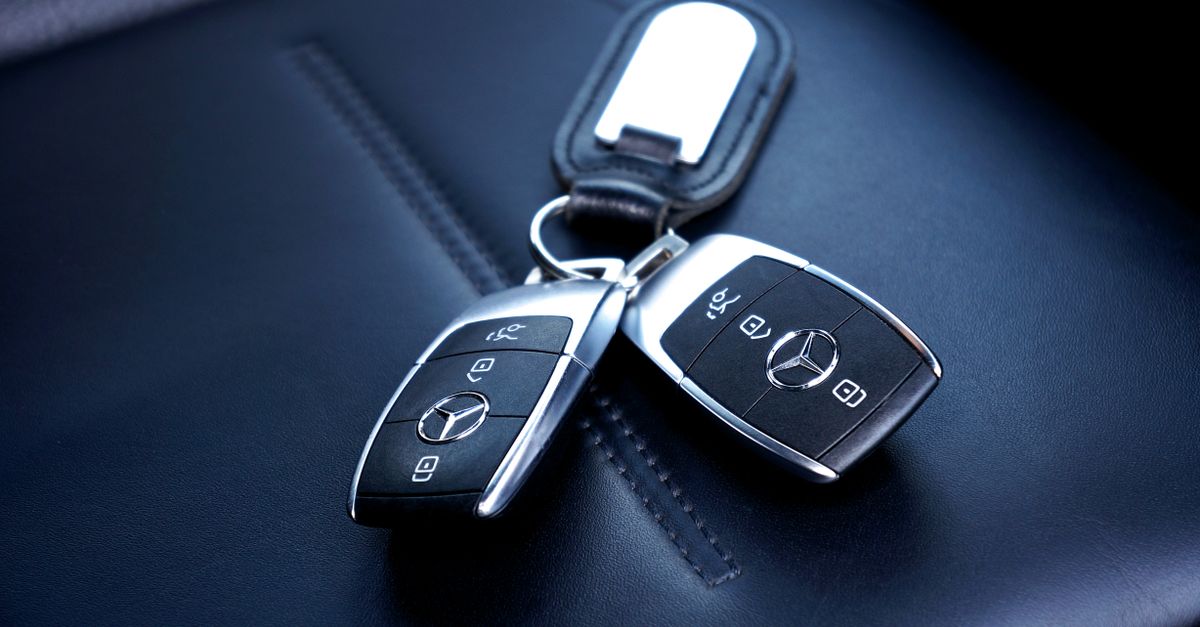
Not every vehicle key is made the same way, and the process our technicians follow varies significantly depending on your year, make, and model. A basic transponder key for a mid-2000s Toyota Camry requires cutting a precise blade and then syncing a small chip inside the key head to the immobilizer system — a process that takes entirely different tools than programming a proximity smart key for a 2022 Honda CR-V or generating a new key fob for a Ford F-150 with push-button start. GM vehicles often use a VATS or PassLock system that requires reading resistance values before a replacement will even crank the engine. Chrysler, Dodge, and Jeep models manufactured after roughly 2010 use the Sentry Key system, which means programming must be completed through a direct connection to the OBD-II port with brand-specific software. European makes — BMW, Mercedes-Benz, Audi, Volkswagen — frequently use encrypted key data that demands a higher level of diagnostic capability, and our technicians stay current with the tools required to service those vehicles.
For owners of newer vehicles with proximity or keyless-entry fobs, we can often program a second key while you are present so you have a spare — something dealers frequently charge a premium for and schedule weeks out. If you have zero working keys remaining, we can still help: our technicians are equipped to perform what is called an 'all-keys-lost' procedure on most domestic and many import vehicles, which involves extracting the key code from the vehicle's onboard system or using code-cutting databases to produce a working key from scratch. We confirm an exact up-front price before any work begins, so there are no surprises when the job is done.