
Why Keys Snap — and What It Means for Your Lock Cylinder
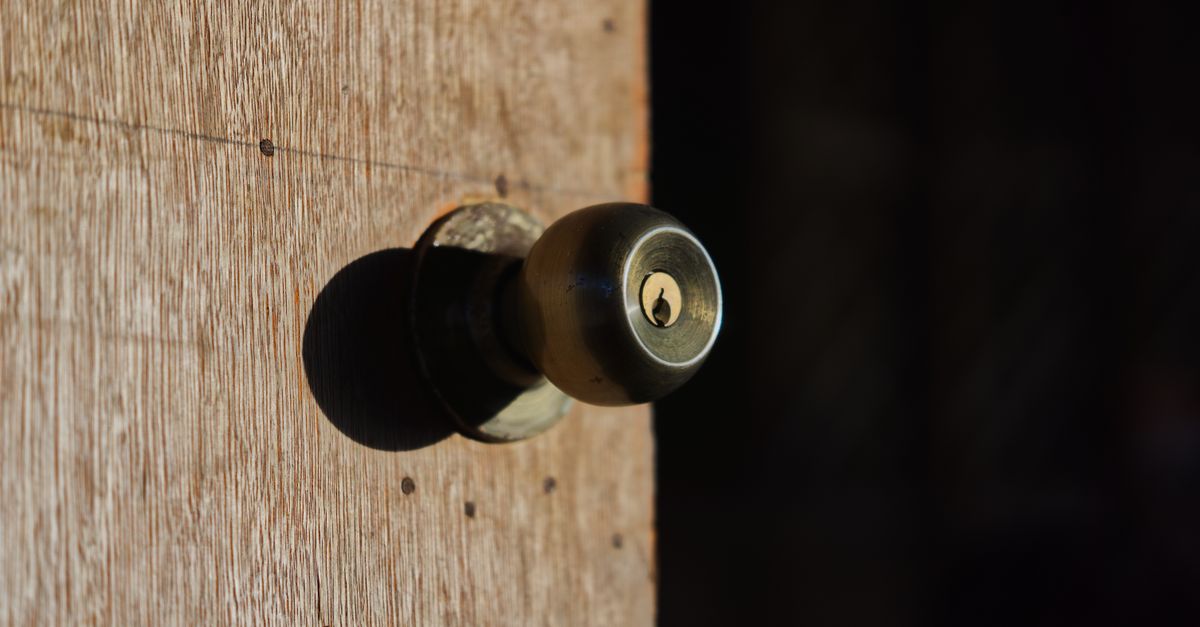
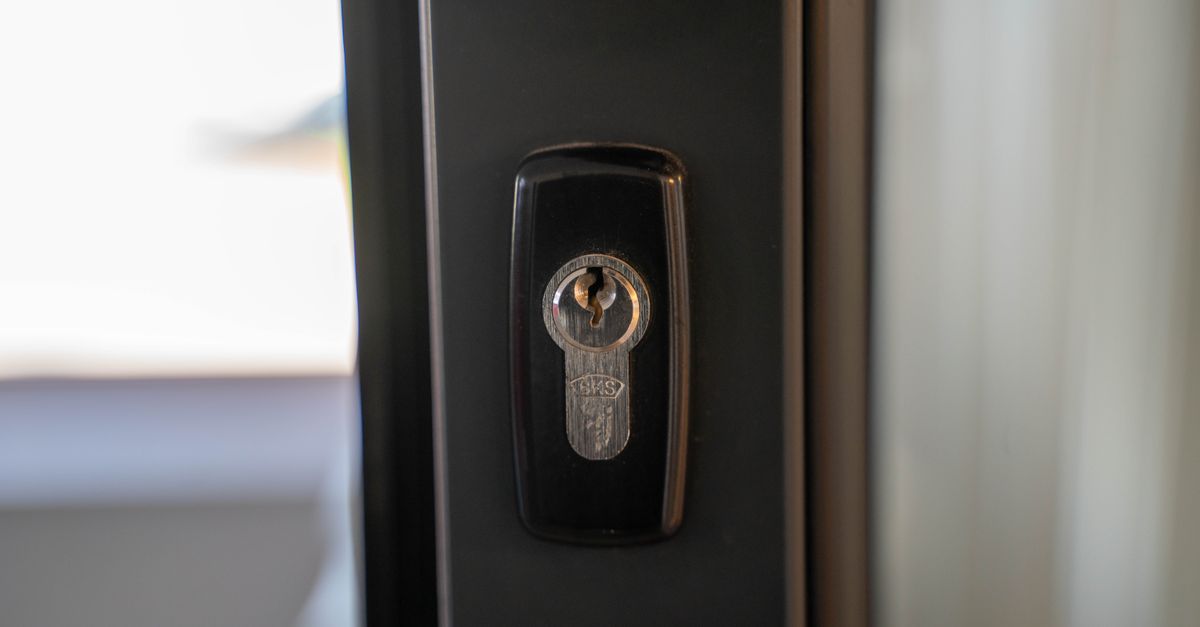
Keys break for several reasons: metal fatigue from years of daily use, a partially duplicated key that was never quite right, a cylinder that has begun to bind due to wear or misalignment, or simple force applied at the wrong angle. In Darien's older residential developments and the commercial corridors along Lemont Road, it's not uncommon for locksmiths to encounter cylinders that have been stiff for months before the key finally gives out. That tells us the cylinder itself may already have damage worth addressing at the same visit. A fragment that breaks cleanly near the bow is usually straightforward to retrieve. One that snaps deep in the plug, or that has sheared at an irregular angle, requires specialized extraction hooks and steady pressure to avoid scratching the cylinder walls or pushing the fragment further inward.
When our technician arrives, the first step is always an assessment — how much of the key is visible, which direction it is oriented, what lock type is involved, and whether the plug has already been turned partially. That assessment determines which tools are appropriate and whether extraction alone will resolve the problem or whether the cylinder also needs to be re-keyed or replaced. Skipping this step and reaching for the first tool at hand is exactly how a recoverable situation turns into a full cylinder replacement. Our technicians are trained to read these conditions quickly and communicate findings to you before touching the hardware.